Diplomatic Endeavors in Islamabad: A Glimpse into the U.S.-Iran Negotiations
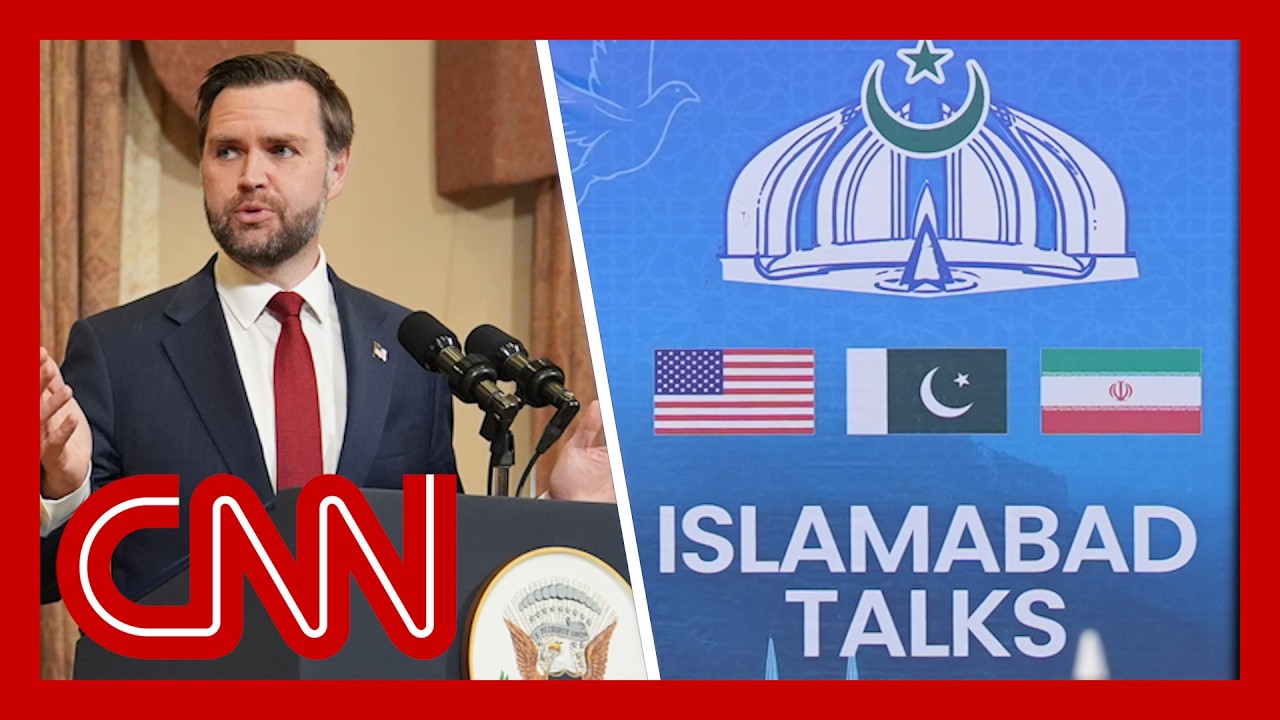
After 21 hours of intense negotiations in Islamabad, the U.S. delegation has departed without securing an agreement with Iran. This marathon session, marked by substantive discussions, left many questions unanswered about the future of U.S.-Iran relations, particularly regarding nuclear aspirations and the crucial Strait of Hormuz.
The U.S. has established clear red lines in negotiations, stipulating the terms it is willing to accept. Despite these efforts, Iran has not accepted the proposals put forth. The talks were the highest-level diplomatic engagement between the two countries since the Iranian Revolution in 1979, suggesting a significant step forward, even amid disappointment.
A source close to the Iranian delegation indicated that Tehran is in no rush to return to the negotiating table. They maintain leverage by controlling the Strait of Hormuz, a vital passage for global oil shipments, and are unwilling to settle for anything they deem less than reasonable. This reflects their strategy to play a long game, potentially hoping for better terms in future negotiations.
CNN reported that the U.S. Vice President remained in constant communication with President Trump throughout the talks, which signifies the importance of these discussions at the highest levels of U.S. governance. Despite the lengthy negotiations, the fundamental issues—primarily surrounding Iran’s nuclear program and uranium enrichment—remain divisive.
Following the unsuccessful talks, the political landscape both in the U.S. and the broader Middle East is fraught with uncertainty. With ten days remaining in the current ceasefire, anxieties abound over the potential for renewed hostilities. Already, some analysts are questioning the future of the ceasefire and whether it is sustainable without concrete outcomes from the negotiation sessions.
Despite the lack of agreement, the fact that high-level talks occurred is seen as a positive development by some experts. It suggests that both sides are willing to engage, even if they remain far apart on issues crucial to both nations. Iran’s insistence on including its regional activities, especially concerning Lebanon and Israel, further complicates the negotiations.
Political implications also ripple through the domestic landscapes in both Iran and the U.S. The United States’ inflation rate has recently surged, and economic conditions are precarious. The outcome of these talks could significantly affect upcoming elections in both nations. Any perception of failure or success in these negotiations is likely to resonate with voters.
Critics have dissected the effectiveness of the U.S. delegation, particularly focusing on the experience and expertise—or lack thereof—of its members. Questions have arisen about whether seasoned diplomats could have achieved a different outcome. The absence of a cohesive vision and strategy within the U.S. team may have exacerbated existing divides.
Looking ahead, the attention now turns to President Trump and his administration’s response to this latest diplomatic setback. Ambiguity surrounds the U.S.’s next move. Will it adopt a strategy of aggression, or will it seek another opportunity for dialogue? Both scenarios carry significant risks and potential consequences.
As the international community watches closely, perceptions regarding the talks’ outcomes and future engagements weigh heavily on political decisions. Despite the current lack of progress, there remains an undercurrent of hope that future talks could yield results. However, both nations must recognize the need for compromise and understanding in a context where expectations are starkly different.
In the end, the future of U.S.-Iran relations hangs in the balance. Negotiations, though challenging, provide a platform for dialogue. A diplomatic resolution might still be plausible, but it requires a fundamental shift in how both nations approach their respective red lines. Until then, the world will remain on alert, particularly in the Gulf region, where the implications of these talks extend far beyond the negotiating table.